nintendo Nintendo Switch Brazil: Nintendo Switch Brazil: Market Real
Updated: April 11, 2026
For Brazil’s gaming scene, the term nintendo Nintendo Switch Brazil has come to symbolize a hybrid console that blends portable play with couch sessions, yet it sits amid regional dynamics that shape what players can reasonably expect. This analysis surveys pricing, availability, localization, and retailer strategies to understand how Brazilian players access Nintendo’s ecosystem. As the platform matured locally, gamers navigated import hurdles, Portuguese storefronts, and a growing catalog of localized games, creating a distinctive trajectory within a global product.
Market context and localization in Brazil
Brazil remains a large, diverse market with a strong appetite for both handheld and couch gaming. The Switch’s versatility makes it appealing in households that value co-op play and shared screens, but price and availability often define access. Retail dynamics include official channels and import-focused options, with many players turning to promotions and bundle deals to mitigate higher regional taxes and shipping costs. In this landscape, localization—both language and region-appropriate catalogs—plays a central role. Even as many titles ship with Portuguese subtitles or menus, first-party releases and a broad library still depend on publishers’ decisions about localization intensity and timing. For the Brazilian audience, these choices affect not just how a game is played, but how often it is played, given constraints of a storefront experience and local payment methods. Brazil’s digital storefronts have gradually expanded Portuguese support, yet a gap remains between global calendars and regional release timing.
Beyond translations, players weigh the economics of entry: upfront hardware costs, ongoing software purchases, and the availability of promotions that help bring bundles into reach. Local-market retail events and price promotions can tip the balance for households deciding between a new console and alternative entertainment options. In this context, the Nintendo ecosystem in Brazil is less about one-off impulse buys and more about building a durable library that suits local play styles and social gaming norms.
Hardware availability and pricing dynamics
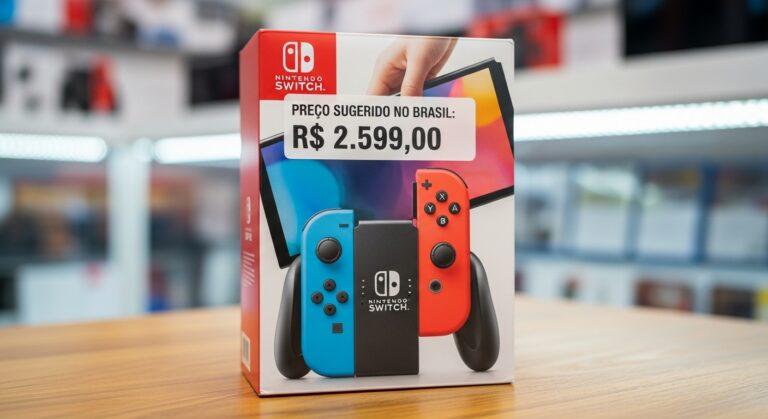
Nintendo has historically offered multiple Switch hardware options that align with different budgets and use cases: the core Switch, Switch Lite, and the newer OLED model. In Brazil, availability varies by retailer and by region, and price parity with other markets is influenced by import duties, taxes, and logistics. While the console itself remains region-unlocked in most practical terms, warranty and service support reflect local structures, which can complicate cross-border buying. The result is a mixed picture: some players purchase domestically through official distributors, while others rely on import channels or second-hand markets. These choices shape not only upfront costs but ongoing value, particularly for players who expect local language support and timely software updates. Rising awareness of international sales and bundled promotions suggests a mature consumer base that negotiates price and convenience in parallel with the brand’s market strategy.
Battery life, display quality, and portability are recurring topic areas for Brazil’s Switch users as they decide between handheld-looking models and docked setups for living rooms. The OLED variant, while typically priced higher, tends to be favored by players seeking sharper visuals for local co-op play and for streaming or digital gatherings in home settings. Local carriers and electronics retailers periodically adjust installment options to align with consumer purchasing power, a factor that increasingly shapes the console’s perceived value over time.
Brazilian player preferences and library
In Brazil, a sizable portion of Switch players lean toward family-friendly and party-style titles, which complements a growing selection of indie games that resonate with a wide audience. Local multiplayer experiences—whether on a single screen or shared among rooms—remain attractive in households and gaming clubs alike. Publishers have begun to tailor some releases for Brazilian audiences, but the overall catalog is still shaped by global release calendars and regional localization timelines. As digital storefronts evolve, there is growing demand for Portuguese-language menus, subtitles, and in-game text, along with more accessible price points and payment options that are compatible with local credit and debit cards. The result is a library that rewards social play, co-op experiences, and a steady flow of indie titles that fit both younger players and adult gamers with limited free time.
Fans in Brazil also report a healthy appetite for titles that emphasize local culture or familiar characters, which has encouraged some publishers to look for culturally resonant tie-ins and promotions. While core first-party franchises continue to anchor the platform, the breadth of the indie scene provides a path for newcomers to enter the Nintendo ecosystem without paying a premium for a large catalog of AAA releases. Taken together, these patterns point to a Brazilian Switch library that is increasingly diverse, but still strongly influenced by price and localization dynamics in the region.
Actionable Takeaways
- Prioritize Portuguese-language localization for both menus and in-game text in future titles and updates to improve accessibility for Brazilian players.
- Strengthen partnerships with local retailers and distributors to increase shelf availability, promotions, and physical bundles that address tax-related price gaps.
- Offer diverse price points and flexible payment options (including local card installments and gift cards) to reduce friction in digital purchases on the Brazilian storefront.
- Filter and promote family-friendly and multiplayer titles that align with Brazilian consumer preferences, while maintaining a steady cadence of indie releases to broaden the library.
- Continue transparent communication about warranty, service coverage, and regional support to build trust among new and returning players.
Source Context
- Official Nintendo site — corporate and product information.
- Nintendo Brasil — regional presence and localized content.
- Amazon Brazil — listings and availability context for Switch hardware and bundles.
- Nintendo Switch — overview — background on the platform.