amazon Nintendo Switch Brazil: Switch Brazil Analysis: Amazon promot
Updated: March 16, 2026
Across Brazil’s bustling e-commerce ecosystem, shoppers watch Amazon-era promotions for the Nintendo Switch; in online forums and deal groups, the phrase amazon Nintendo Switch Brazil surfaces as price-sensitive buyers compare Pix-friendly checkout offers, coupons, and warranty terms. This article offers a deep, data-informed look at how these promotions are reframing pricing signals, consumer expectations, and retail tactics in a market where import costs, logistics, and payment methods all play a decisive role.
Market Context
Brazil remains one of the world’s most price-sensitive gaming markets, where parity across sellers can hinge on payment rails, delivery speed, and after-sales support. The Pix instant-payment network has become a de facto gatekeeper for promotional campaigns: when stores pair discounts with Pix, they not only reduce friction at checkout but also signal reliability to a consumer base that often compares total cost of ownership rather than sticker price alone. In this environment, promotions tied to hybrid checkout experiences—online coupon codes, bundled accessories, and post-purchase credits—can disproportionately influence purchase decisions. If a major retailer like Amazon leverages Pix-compatible discounts for consoles such as the Nintendo Switch, the impact reverberates through accessory ecosystems, game bundles, and warranty uptake, creating a cascading effect on demand, inventory planning, and price normalization across the channel.
From a macro perspective, this dynamic reflects several interlocking forces: currency volatility, import duties, and the evolving logistics landscape for electronics in Brazil. Even modest discounts on a high-ticket item can attract first-time buyers who previously deferred purchases due to perceived financial risk. The emphasis on instant-payment discounts also aligns with a broader shift toward seamless, real-time checkout experiences—a trend that Brazilian retailers have cultivated aggressively in the past three years.
Promotional Tactics and Consumer Response
The recent flurry of Pix-enabled promotions and exclusive coupon incentives for the Nintendo Switch—sometimes framed as limited-time codes or cash-purchase discounts—highlights a tactic: converting browsers into buyers by simplifying the financial path to ownership. For the consumer, the draw is twofold: lower upfront costs and a streamlined checkout that minimizes the bureaucratic overhead that often accompanies electronics imports. For retailers, the tactic is a way to differentiate a crowded marketplace and to lock in price-conscious customers who might otherwise delay purchasing decisions until a global promo window opens.
However, this approach is not without caveats. The fine print on promotions—eligibility, expiry, regional stock limits, and warranty transferability—can complicate the perceived value. For example, a discount that applies only to Pix payments at checkout may exclude partial payments or financing options that some consumers rely on. Consumers who chase the lowest price must still evaluate seller legitimacy, shipping times, and after-sales support, particularly for console hardware that benefits from timely warranty service and local technical assistance. In this sense, the effectiveness of Pix-based promotions hinges not only on the discount itself but on the overall purchasing experience and the availability of Brazilian customer support channels.
Channel Strategies and Retail Dynamics
Amazon’s promotional posture around Nintendo Switch access in Brazil also shapes competitive dynamics with regional retailers and local electronics chains. A package that pairs a reduced price with a trusted platform can pull demand away from smaller shops that rely on in-person pickup or slower fulfillment. Yet, the same promotions can strengthen the Amazon brand in a market where consumer confidence is tied to a retailer’s ability to deliver on time and stand behind warranties. For third-party retailers, the challenge becomes twofold: (1) to compete on price while preserving margins on popular bundles (games, controllers, or microSD expansions), and (2) to reassure customers about import lead times and service responsiveness.
Supply-side considerations also come into play. Promotions that target premium consoles—often priced above standard bundles—need to be carefully synchronized with inventory and inbound logistics. If a promotional window coincides with constrained stock, the risk of backorders can erode consumer trust, even when the initial price appears favorable. Conversely, well-timed discounts paired with fast delivery can accelerate adoption among first-time Switch owners, expanding the installed base and boosting software sales, digital storefront activity, and accessory attachment rates.
Future Scenarios for Pricing and Access
The Brazilian market’s response to ongoing Pix-enabled promotions will likely hinge on several factors: the cadence of promotions, the breadth of eligible SKUs, and the reliability of delivery and after-sales service. If retailers successfully broaden access—by stocking more units, offering white-glove delivery, or providing localized setup support—the perceived value of promotions increases beyond the immediate price drop. On the other hand, if discounts become episodic and stock-imbalanced, consumers may increasingly adopt a wait-and-watch posture, monitoring price trends across platforms and storing anticipation for a more favorable window. In a longer horizon, promotions might pivot from pure price cuts to value-based packaging, such as bundled accessories, extended warranties, or game bundles that improve the total cost of ownership without eroding margins.
Additionally, any roll-out of a successor model to the Nintendo Switch—often referred to in local media as Switch 2—could reshape the promotional landscape. A new model would likely alter baseline pricing, affect console parity across e-commerce players, and recalibrate the balance between first-party promotions and retailer-driven bundles. The interaction between a new hardware line and Pix-based payments will determine whether Brazilian consumers respond to value retention on the existing model or pivot toward the latest hardware with fresh promotional incentives.
Actionable Takeaways
- Verify Pix eligibility and coupon terms before checkout to avoid last-minute price changes or restricted discounts.
- Compare total cost of ownership across platforms, including shipping times, warranty transferability, and post-purchase support.
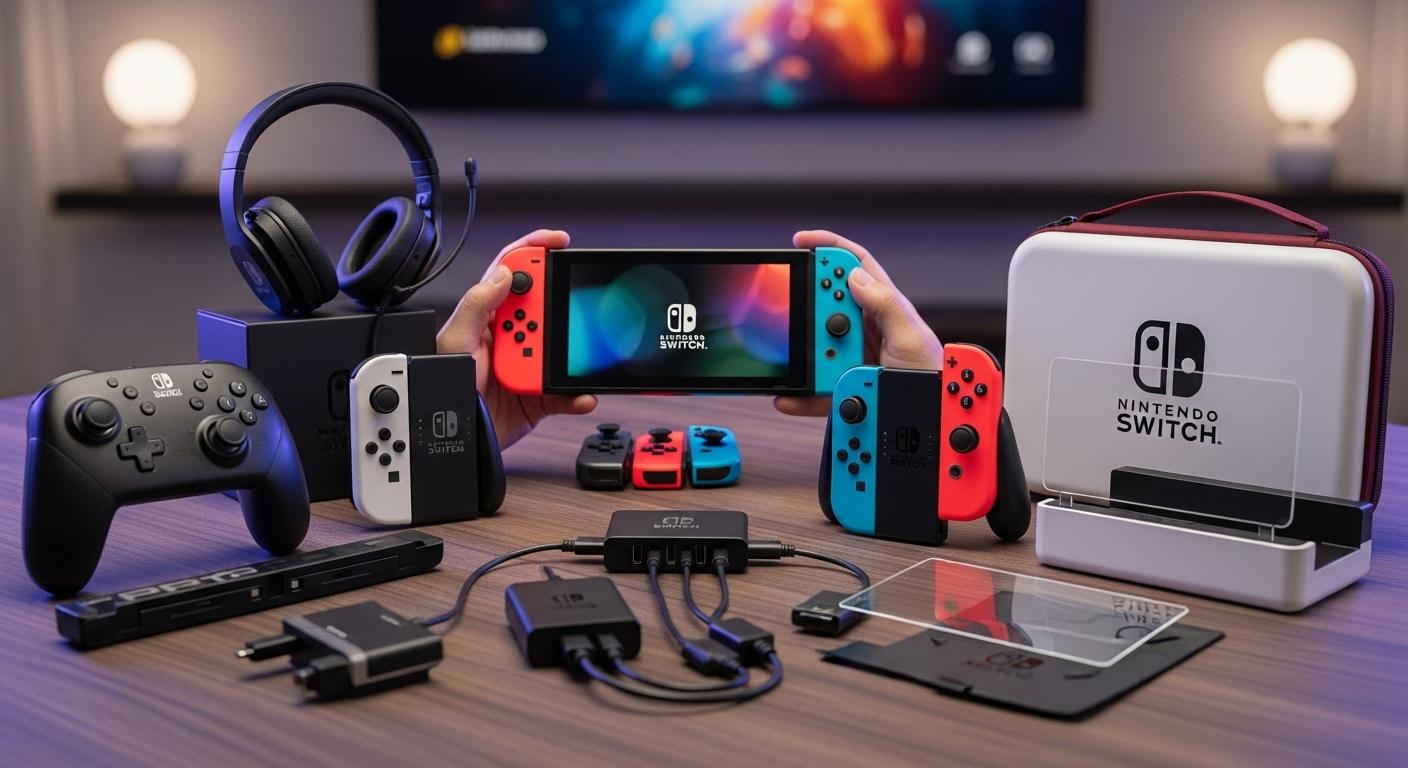
- Assess bundled offers (controllers, memory, or games) as a way to maximize value beyond the sticker price.
- Monitor stock levels and delivery options for Brazil-based fulfillment to minimize risk of backorders.
- Read return policies carefully, especially for opened or digital-only components included in bundles.
Source Context
For readers seeking original prompts that inform this analysis, consider reviewing reporting from industry-focused outlets covering Brazilian e-commerce and gaming promotions. The sources below provide background on Pix-based discounts and platform-driven promotions in the region.