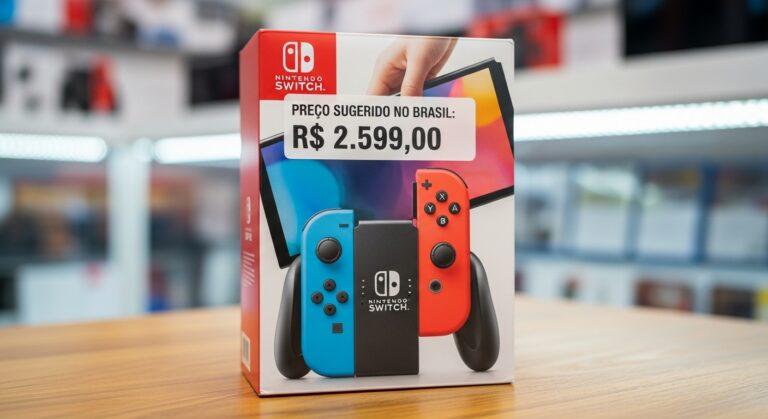
In Brazil, the landscape for gaming hardware is evolving around devices like the nintendo Nintendo Switch Brazil, where price sensitivity and availability shape consumer decisions. From official channels to regional retailers, the Switch’s presence in the market reveals a broader story about how multinational consoles adapt to local economies and shopping habits.
Market Context in Brazil
Brazil remains a large and diverse gaming market with a strong appetite for portable play. The Nintendo Switch gained traction here because it blends home and on-the-go experiences, a pattern that aligns with households juggling streaming, consoles, and mobile devices. Industry observers note that the console enters a distribution ecosystem that mixes officially sold units with a robust network of retailers and import-oriented shops. For many Brazilian players, the Switch represents more than a console; it is part of a flexible entertainment setup that includes local multiplayer experiences, family gaming sessions, and social play in shared living spaces.
Pricing, Availability, and Access
Pricing dynamics in Brazil are shaped by taxes, import rules, and currency fluctuations. The official channel often prices hardware and software differently from other regions, and consumers frequently compare bundles and promotions across retailers. For some buyers, importing devices with warranties or purchasing digital codes through regional shops becomes a practical alternative. The online environment for Nintendo’s digital catalog in Brazil can be complemented by Portuguese-language storefronts and regional payment methods, which influences accessibility for casual players and dedicated fans alike.
Software and Support Ecosystem
Game library support remains a central factor for players evaluating the Switch in Brazil. First-party titles stay a priority, but the breadth of third-party and indie releases offers variety across genres. Local expectations include Portuguese-language menus and subtitles in many games, consistent online services, and reliable save data management. The status of regional software updates and customer support channels can affect long-term satisfaction, especially for households balancing multiple devices in regions with varying internet speeds and data caps.
Strategic Outlook for Nintendo in Brazil
Looking ahead, Nintendo’s challenge in Brazil is to strengthen official distribution, improve consumer confidence, and tailor pricing to local purchasing power without eroding brand value. Potential moves include expanded retail partnerships, clearer warranty paths, and more localized eShop content that reflects Brazilian tastes and game availability. A strategically successful approach would likely include bilingual support for the Nintendo Brasil site, Portuguese-language product descriptions, and promotions aligned with Brazilian shopping cycles during holidays and school breaks.
Actionable Takeaways
- Assess total cost of ownership, including shipping, taxes, warranty coverage, and service options available in Brazil before buying.
- Consider both digital purchases and physical bundles, noting regional availability and language localization when selecting games.
- Follow official Nintendo Brasil announcements and retailer promotions to time acquisitions for better value.
- Explore complementary gaming setups in Brazilian households, such as shared living spaces and local multiplayer arrangements, to maximize Switch value.
Source Context
Background and official references provide context for the regional dynamics discussed above.
From an editorial perspective, separate confirmed facts from early speculation and revisit assumptions as new verified information appears.
Track official statements, compare independent outlets, and focus on what is confirmed versus what remains under investigation.
For practical decisions, evaluate near-term risk, likely scenarios, and timing before reacting to fast-moving headlines.
Use source quality checks: publication reputation, named attribution, publication time, and consistency across multiple reports.
Cross-check key numbers, proper names, and dates before drawing conclusions; early reporting can shift as agencies, teams, or companies release fuller context.
When claims rely on anonymous sourcing, treat them as provisional signals and wait for corroboration from official records or multiple independent outlets.
Policy, legal, and market implications often unfold in phases; a disciplined timeline view helps avoid overreacting to one headline or social snippet.
Local audience impact should be mapped by sector, region, and household effect so readers can connect macro developments to concrete daily decisions.
Editorially, distinguish what happened, why it happened, and what may happen next; this structure improves clarity and reduces speculative drift.
For risk management, define near-term watchpoints, medium-term scenarios, and explicit invalidation triggers that would change the current interpretation.