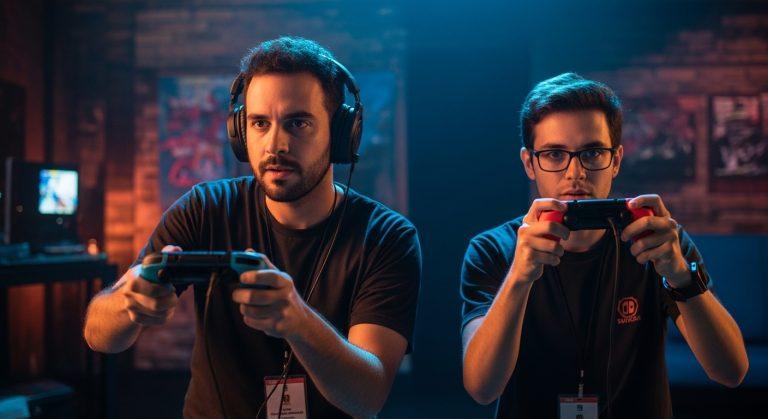
see Nintendo Switch Brazil: Seeing Nintendo Switch Brazil: Winds and
Updated: March 16, 2026
To see Nintendo Switch Brazil as a living, evolving market is to watch how localization, pricing, and content strategy converge with Brazil’s gamers. The region’s growing digital ecosystem, tax regime, and preferences for Portuguese-language interfaces are reshaping how Nintendo positions its hardware and software. As publishers test regional nuances, Nintendo’s moves—whether in language support, storefront availability, or title cadence—signal not just a reaction to demand but a frame for long-term engagement with Brazilian players. This analysis examines the dynamics that will determine whether the Switch remains competitive in Brazil and how see Nintendo Switch Brazil fits into a broader Latin American strategy.
Market dynamics shaping Brazil’s Nintendo audience
The Brazilian gaming audience has blossomed alongside a swelling mobile and PC market, yet console adoption still hinges on reachable price points, local language support, and reliable digital storefronts. In recent years, consumers have grown accustomed to quick digital releases and region-specific promotions, while import costs and currency fluctuations keep street prices volatile. The forthcoming generation cycle—whether a Switch successor or a substantial hardware refresh—will likely be judged not only by raw specs but by how well Nintendo can align content cadence with local expectations. Titles that travel well in Portuguese and that offer culturally resonant promotions tend to accelerate word-of-mouth adoption among casual households and younger players who drive festival-season sales, toy bundles, and school-led social groups. The conversations around Brazilian Portuguese language support for Winds and Waves signals a broader shift toward making core Nintendo experiences feel accessible rather than foreign in a new market.
Localization and language: not just a toggle
Localization is more than on-screen text; it is a bridge for player trust. Brazilian Portuguese requires natural voice lines, idiomatic menus, and culturally appropriate tutorials that avoid a literal mass-translation approach. For a family-friendly library like Nintendo’s, accurate localization reduces friction for first-time Switch owners and supports longer session times across weekends and holidays. Moreover, the choice to include Brazilian Portuguese alongside other regional options can push the perceived value of a console when families weigh the cost of a shared device versus separate handheld systems. In practice, the success of such language options depends on the quality of the localization, ongoing updates, and the speed with which relevant patches and in-game events appear in the Brazilian storefront. If Winds and Waves extends Brazilian Portuguese voice and subtitle support, it could become a signal that Nintendo is treating Brazil as a core market rather than a test case.
Pricing, digital access, and the eShop friction
Pricing strategy in Brazil has long tangled with import duties, VAT, and fluctuating exchange rates. Digital storefronts offer relief from some import costs, but storefront pricing remains a pressure point for daily wage earners and students who balance entertainment with essential expenses. A region-specific pricing strategy that reflects local purchasing power—paired with local payment methods (carteiras digitais, boleto, PIX-like options in practice)—can unlock broader digital adoption. The eShop experience in Brazil will benefit from reliable local payment rails and faster download speeds, especially for larger titles and downloadable content. As Nintendo weighs availability of major releases—such as Winds and Waves—across the region, a transparent, consumer-friendly pricing approach could reduce gray-market demand and improve user satisfaction. The Brazil-focused cadence, with Portuguese-language options and localized bundles, could also influence retailers and independent retailers to place Nintendo products more prominently in Brazilian shopping ecosystems.
Content strategy: games, languages, and longevity
Content strategy is the long-term currency of platform loyalty. For Nintendo, aligning game releases with Brazilian calendars, holidays, and school terms can strengthen engagement cycles. The Pokémon franchise—already a powerful driver in many markets—has the potential to anchor Brazil-specific marketing, especially when localized characters, in-game events, and promotions resonate with local players. The Winds and Waves narrative around a new generation of titles creates opportunities for bundled announcements, regional demo events, and influencer partnerships that emphasize accessibility and shared play. Beyond blockbuster releases, sustaining a library that includes indie hits, localized classics, and fitness-orientated or multiplayer experiences can broaden the Switch’s appeal to households that value family gaming, co-op play, and social gatherings. In short, a Brazil-friendly content strategy is not about a single hot title; it is about a yearly rhythm of content that keeps players returning and talking about their experiences in Portuguese-friendly spaces.
Actionable Takeaways
- Track official localization rolls for Brazilian Portuguese and assess how quickly errors and updates are addressed in the storefront.
- Evaluate region-specific pricing and payment options to reduce barriers to digital purchases and subscriptions.
- Invest in Portuguese-language tutorials, help resources, and marketing materials that reflect local consumer behavior.
- Engage with Brazilian influencers and retailers to co-create localized campaigns around major releases like Winds and Waves.
- Plan a sustainable content calendar that blends major releases with local events, promotions, and in-store experiences.
Source Context
Actionable Takeaways
- Track official updates and trusted local reporting.
- Compare at least two independent sources before sharing claims.
- Review short-term risk, opportunity, and timing before acting.